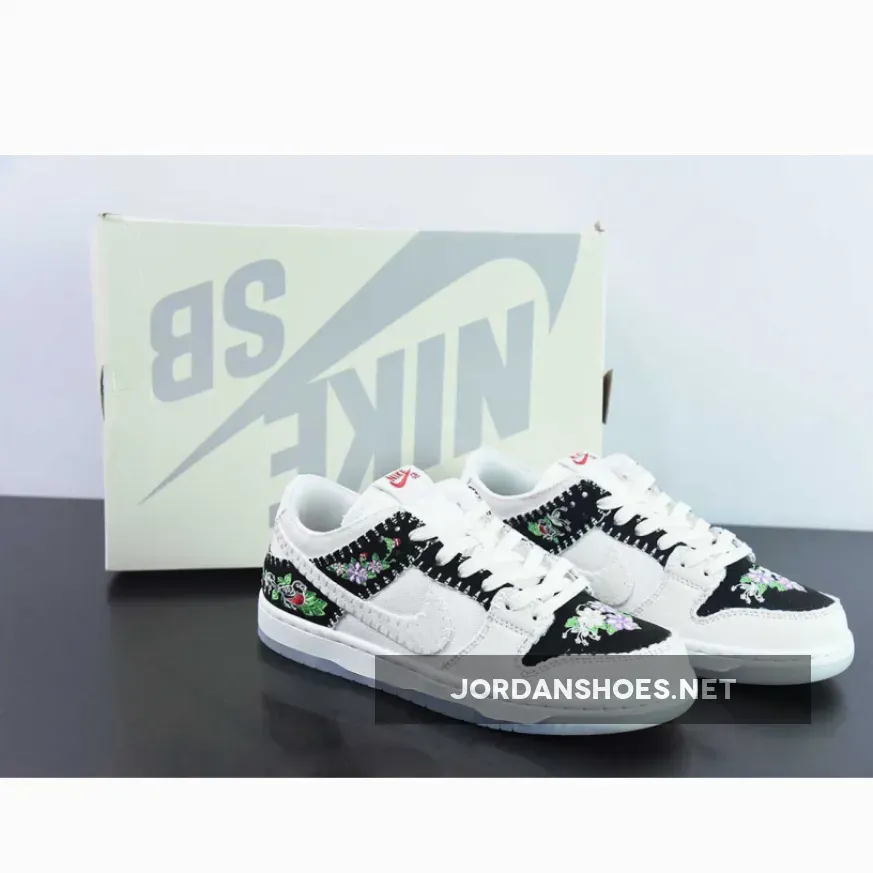
The Nike Dunk. A name synonymous with skateboarding culture, street style, and a legacy spanning decades. But within the Dunk family lies a subtle yet significant distinction: the Nike SB Dunk. While both share the iconic silhouette, a closer examination reveals key differences that extend beyond mere aesthetics, impacting comfort, performance, and overall intended use. This exploration delves into the nuances separating these two popular sneaker lines, clarifying their individual attributes and helping you make an informed choice based on your needs and preferences.
The most readily apparent difference lies in the cushioning systems. The standard Nike Dunk Low, often favored for its clean lines and versatility in casual settings, features a comparatively simple foam midsole. This provides decent comfort for everyday wear but lacks the specialized support and impact absorption crucial for the rigors of skateboarding. This is where the SB Dunk steps in, boasting a substantial upgrade in its cushioning technology. Nike SB Dunks integrate a Zoom Air unit in the heel, offering responsive cushioning and impact protection during high-impact maneuvers. This strategically placed Zoom Air pod helps absorb the shock from landings and jumps, protecting the skater’s feet and ankles from the repetitive stress inherent in skateboarding.
Furthermore, the SB Dunk incorporates Poron foam in the forefoot. This high-density foam provides exceptional impact protection and cushioning specifically in the area where skaters need it most – the front of the foot. Poron is known for its ability to absorb and disperse shock effectively, contributing to a more comfortable and protected ride, reducing the risk of foot fatigue and potential injuries. This combination of Zoom Air and Poron makes the SB Dunk a significantly more supportive and protective shoe compared to its standard Dunk counterpart.
Beyond the cushioning, subtle differences in construction contribute to the distinct feel and performance of each shoe. The SB Dunk typically features a more durable outsole rubber compound, designed to withstand the abrasive forces encountered on griptape and rough surfaces. This added durability extends the lifespan of the shoe, making it a worthwhile investment for frequent skaters. The standard Dunk Low, while durable enough for everyday wear, may not possess the same robust outsole designed to withstand the relentless friction and wear of consistent skateboarding.
The construction of the upper also plays a role. While both utilize leather and suede in various combinations, SB Dunks frequently incorporate reinforced stitching and more robust materials in areas prone to wear and tear, particularly around the toe cap and heel. This reinforcement ensures enhanced longevity and durability, making the SB Dunk better suited for the demanding environment of skateboarding. The standard Dunk Low, while still well-constructed, might not offer the same level of reinforcement, making it more susceptible to wear and tear under strenuous activity.
Considering the various models, the differences become more apparent. The Nike SB Dunk Low Decon, for instance, while maintaining the Zoom Air and Poron cushioning, often features a simplified upper construction, emphasizing a minimalist and sleek aesthetic. This deconstructed approach retains the performance benefits of the SB Dunk while offering a cleaner, less bulky look, making it a versatile option for both skating and casual wear. Similarly, the N7 Nike Dunk Low SB Flower, a limited-edition release, showcases the versatility of the SB Dunk platform, blending performance features with unique design elements. The Dunk Low Black and Sail, on the other hand, represents the simplicity and clean aesthetic of the standard Dunk Low line, lacking the enhanced cushioning and durability features of its SB counterpart.
The University Red Dunks, whether in the SB or standard Dunk line, exemplify the colorways’ popularity and versatility. However, even within this shared color scheme, the underlying differences in cushioning and construction remain. The red SB Dunks, for example, offer superior cushioning and durability ideal for skaters, while the standard University Red Dunks prioritize style and everyday comfort. Even models like the Bart Simpson Dunks, often released as SB Dunks, highlight the connection between the SB line and the skateboarding community, showcasing collaborations and designs inspired by skateboarding culture.
The Jordan 8 N7, while not directly a Dunk, offers a comparison point concerning Nike’s N7 initiative. The N7 line focuses on celebrating Native American and Indigenous communities through unique designs and collaborations. The N7 Dunk Low Decon, for example, embodies this ethos, incorporating elements reflecting this initiative while maintaining the superior cushioning and construction of the SB Dunk line.
In conclusion, while both the Nike Dunk and Nike SB Dunk share the same iconic silhouette, their performance capabilities and intended uses diverge significantly. The SB Dunk, with its Zoom Air, Poron cushioning, reinforced construction, and more durable outsole, is engineered for the demands of skateboarding, providing superior comfort, protection, and longevity. The standard Dunk, while stylish and versatile for everyday wear, lacks the specialized cushioning and durability features of its SB counterpart. The choice ultimately rests on your individual needs and preferences. If you’re a skater seeking optimal performance and protection, the SB Dunk is the clear winner. If you prioritize style and comfort for everyday wear, the standard Dunk offers a more affordable and aesthetically versatile option. Understanding these key distinctions allows you to select the Nike Dunk that perfectly aligns with your lifestyle and activity level.