
Jayson Tatum, the Boston Celtics star forward, has solidified his place among the NBA’s elite. His on-court prowess translates to impressive endorsement deals, and one of the most prominent is his signature shoe line with Jordan Brand: the Jordan Tatum 1, or JT1. But amidst the fanfare and marketing campaigns, a crucial question arises: is the hype surrounding the JT1 truly justified, or is it simply the result of a successful branding strategy capitalizing on Tatum’s rising stardom? This in-depth analysis explores the shoe’s design, performance, and overall value proposition to determine whether it lives up to the expectations generated by the considerable buzz.
The JT1’s design is undeniably striking. While maintaining a clear connection to the iconic Jordan lineage, it successfully establishes its own distinct identity. The silhouette departs from the purely retro aesthetic, offering a more contemporary and streamlined look. Early colorways, such as the “Archer Ave” (a nod to Tatum’s St. Louis roots, referencing 100 White Street) and the black JT1, immediately caught the eye, showcasing the potential for creative design collaborations. The upper’s construction often incorporates a blend of materials, offering a balance between durability and breathability – a critical feature for a performance basketball shoe. The shoe’s overall aesthetic appeals to a broad range of consumers, blending the classic Jordan appeal with a modern, sleek design tailored to a younger generation. This strategic design caters to both long-time Jordan enthusiasts and a newer demographic drawn to Tatum’s style and play.
However, aesthetics are only part of the equation. A basketball shoe must excel in performance. The JT1’s performance characteristics have been met with mixed reviews, though generally positive. Many users praise the shoe’s responsiveness and court feel, attributing it to a well-designed cushioning system. The responsiveness allows for quick cuts and changes in direction, vital for the fast-paced nature of professional basketball. The grip on the outsole, another crucial aspect of performance, has received generally positive feedback, suggesting effective traction on various court surfaces. However, some users have noted concerns about the shoe’s durability, particularly in high-wear areas. This is a recurring issue in many high-performance basketball shoes, and the JT1 is no exception. The balance between comfort, responsiveness, and durability is a complex one, and the JT1 seems to strike a compromise that might lean more towards comfort and responsiveness over lasting durability.
This issue of durability is particularly relevant when considering the shoe’s price point. The JT1 falls within the higher price range of performance basketball shoes, reflecting the premium materials and technology incorporated into its construction. While the price tag might be justified for professional players and serious enthusiasts seeking top-tier performance, it might present a barrier to entry for casual players or those on a budget. The question, then, becomes whether the performance gains justify the cost. While the positive aspects of responsiveness and court feel are notable, the reported durability issues might raise concerns for those prioritizing longevity over immediate responsiveness. A thorough cost-benefit analysis is crucial before purchasing, weighing the performance gains against the potential for premature wear and tear.
The marketing of the JT1 has undoubtedly played a significant role in generating hype. Jordan Brand, a master of creating narratives around its products, has effectively leveraged Tatum’s rising stardom to build anticipation. The release of various colorways, some with unique storytelling elements like the “Archer Ave” edition, effectively caters to collectors and fans alike. This strategic approach has created a sense of exclusivity and desirability, driving demand. However, it’s important to separate the marketing hype from the shoe’s intrinsic value. The effectiveness of the marketing campaign cannot negate the necessity of evaluating the shoe’s performance and overall quality independently.
Beyond the shoe itself, the broader context of its place in the market needs consideration. The landscape of signature basketball shoes is highly competitive, with several established brands releasing models with similar technological advancements and performance features. The JT1 needs to differentiate itself not only in terms of design and performance but also in terms of its value proposition compared to its competitors. While the JT1 possesses attractive features, it also faces a rigorous comparison against other high-performing basketball shoes in the market.
In conclusion, the hype around the Jordan Tatum 1 is partly a result of successful marketing, leveraging Jayson Tatum’s growing popularity and Jordan Brand’s established legacy. The shoe’s design is undeniably appealing, blending classic elements with contemporary aesthetics. Performance-wise, it delivers in areas like responsiveness and court feel, yet concerns about durability need careful consideration. The price point also presents a barrier for many consumers, requiring a careful evaluation of the cost-benefit ratio. Ultimately, whether the hype is justified depends on individual priorities and expectations. While the JT1 possesses several desirable qualities, its overall value proposition needs to be judged against competing models and one’s specific requirements for a performance basketball shoe. The shoe’s success hinges not just on style and branding, but on delivering consistently exceptional performance that justifies its premium price tag. Only then can the hype be deemed truly justified.
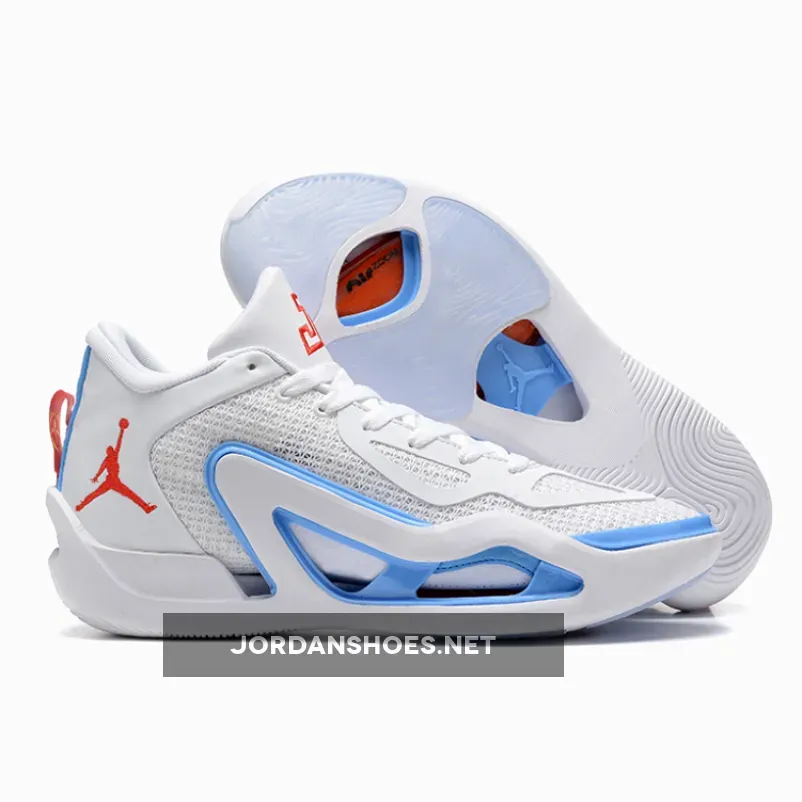 Buy From: Jordan Tatum 1 “St. Louis” White/University Red-University Blue , Archer & DX5573-100